


Kenspin SSL Encryption and Data Protection

Beary
Understanding SSL Encryption at Kenspin
Secure Sockets Layer (SSL) encryption is the backbone of data protection on modern websites, and the Kenspin platform implements this technology to safeguard every interaction. SSL creates an encrypted tunnel between your browser and the server, ensuring that all data – from login credentials to payment details – remains unreadable to third parties. The version used at Kenspin is TLS 1.2 or higher, which is the current industry standard. You can verify this by clicking the padlock icon in your browser’s address bar; a valid certificate issued by a recognized Certificate Authority (like Let’s Encrypt or DigiCert) confirms that the connection is genuine. This level of encryption is particularly critical when you use Kenspin casino features such as deposits, withdrawals, or account management, because it prevents man-in-the-middle attacks and data tampering. To ensure ongoing protection, Kenspin rotates its SSL keys every 90 days and conducts regular vulnerability scans. For a typical user, the handshake process takes under 200 milliseconds, so you won’t notice any delay while browsing.
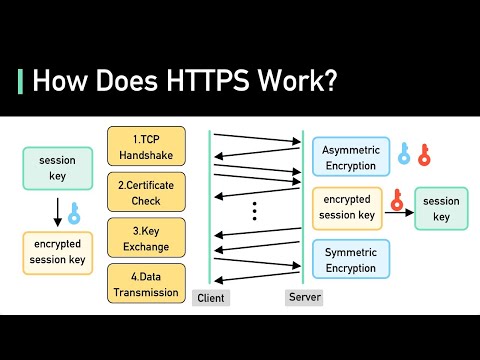
Step-by-Step Guide to Verify Your Secure Connection
- Open your browser and navigate to the kenspin homepage.
- Look at the left side of the address bar – a padlock icon indicates a secure connection. If you see “Not Secure” or a warning triangle, do not proceed.
- Click the padlock and select “Certificate” (or “Connection is secure” depending on your browser).
- Check the certificate details: the issuer should be a trusted authority (e.g., DigiCert, Sectigo), the validity period should be current, and the subject name should match “*.kenspin.eu.com” or similar.
- Scroll to “Details” and confirm the SSL cipher suite – modern AES-256-GCM with SHA-256 is optimal. Older ciphers like RC4 indicate a misconfiguration.
- If everything looks correct, your data is encrypted in transit. Repeat this check periodically, especially after using Kenspin bonus offers or updating your personal information.
The entire verification takes about 30 seconds. If you spot any irregularity, contact support immediately – a misconfigured SSL can expose sensitive data. This step is particularly relevant when you claim a Kenspin no deposit promotion, as you will be entering personal and financial details.
| Check Item | Expected Result | Action if Problem |
|---|---|---|
| Padlock visible | Lock icon, green or black | Do not enter data; report to support |
| Certificate issuer | Trusted CA (e.g., DigiCert, Let’s Encrypt) | Check for outdated CA; update browser trust store |
| Validity dates | Current date within range | Renew the certificate; reject expired ones |
| Subject name | Matches current domain | Possible phishing; leave immediately |
| Cipher suite | AES-256-GCM or ChaCha20-Poly1305 | Update browser or contact support |
Required Documents and Data Protection Measures
To comply with anti-money laundering (AML) regulations and ensure that only you access your account, Kenspin casino requires identity verification before withdrawals exceed certain limits. Typical documents include:
- Government-issued photo ID (passport, driver’s license, or national ID) – must show full name, date of birth, and expiration date.
- Proof of address – utility bill or bank statement dated within the last 3 months.
- Payment method proof – screenshot of e-wallet or bank account showing the last 4 digits, or a photo of the physical card (with middle digits obscured).
- Selfie holding the ID for liveness check – required for high-value withdrawals (over €2,000 per transaction).
All uploaded files are encrypted at rest using AES-256 and stored on isolated servers with access logs. Kenspin deletes copies 30 days after verification is complete, retaining only metadata. The process usually takes 12–24 hours, and you can track progress in your profile. For those who use a Kenspin promo code during registration, the verification threshold is reset to the standard €500 limit before any withdrawal can be processed. This ensures that even promotional bonuses do not bypass security protocols.
Common Troubleshooting and Data Protection Tips
Even with robust SSL encryption, users sometimes encounter issues such as “Your connection is not private” errors, mixed content warnings (HTTP resources loaded on HTTPS pages), or slow loading due to outdated browsers. To resolve these, first clear your browser’s SSL state and cache, then restart the browser. If the problem persists, check your system date and time – an incorrect clock can invalidate certificates. Another frequent issue is captive portals (public Wi-Fi login pages) interfering with the handshake; always use a VPN when on untrusted networks. Additionally, remember that while SSL protects data in transit, you must also safeguard your account with a strong, unique password and enable two-factor authentication. The Kenspin free spins promotions are often accessed via email links; always verify the sender address (no typos in “kenspin.eu.com”) and hover over links before clicking. Phishing attempts can mimic the real site, but a missing padlock or misspelled domain gives them away. If you suspect a breach, change your password immediately and contact Kenspin support – they can review login timestamps and block suspicious IPs. As a final layer, Kenspin regularly audits its SSL implementation through third-party penetration tests; you can request a summary of the latest report via the privacy department.
For a fully secure experience, start by visiting Kenspin and verifying the padlock icon yourself. By combining SSL encryption with careful user practices, you can enjoy all game features and bonuses – including exclusive offers tied to the Kenspin brand – without compromising your personal data.